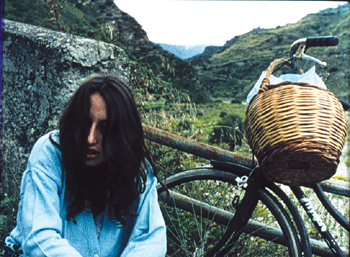
Regia/Director: Michelangelo FrammartinoInterpreti/Actors: Angelo Frammartino,
Gabriella Maiolo,
Valentino Audino,
Pasquale Umbali,
Romilda Macrì,
Cesare Calipari,
Maria Vozzo,
Vincenzo Sangregorio,
Francesco Frammartino,
Angelina Alvino,
Ilario Lucano,
,
Fotografia/Photography: Mario MiccoliCostumi/Costume Design: Lucia PerinScene/Scene Design: G. Briglia,
F. Ritorto,
Nicola RitortoSuono/Sound: Davide SampieriProduzione/Production: Coop. Carina,
Michelangelo Frammartino Produzioni Cin.che(Santamira Prod.)Distribuzione/Distribution: LAB 80 Film Soc. Coop. r.l.Vendite all'estero/Sales abroad: The Coproduction Officecensura: 98411 del 15-11-2004
Altri titoli: The Gift
Trama: Volevo che la storia di questo paese venisse raccontata unicamente dalla macchina da presa. Era importante che non vi fossero artifici di alcun tipo, né tecnici, né linguistici, né metaforici, né drammaturgici. Non ho chiesto a nessuno degli 'attori' del film di interpretare un ruolo, chiedevo loro unicamente di camminare, pedalare, radere, zappare, attendere. Insomma di riproporre davanti alla cinepresa i gesti che stavano compiendo quando li avevo incontrati per la prima volta durante i miei sopralluoghi alla ricerca di una storia che volesse farsi raccontare. Ne è uscita una storia fatta di superfici: sappiamo poco o nulla di quello che i personaggi nascondono al loro interno, la macchina da presa si limita al fuori, non può che mantenersi là. Mi sembrava il modo più rispettoso di raccontare il naufragio di un intero paese che cinquant'anni fa contava 15000 abitanti, e oggi solo qualche centinaio. Quando si verifica un naufragio, ci sono due modi di procedere. C'è chi si immerge per recuperare l'imbarcazione, per scoprire i motivi dell'affondamento. E chi resta in superficie, a salvare i superstiti. A me interessa la superficie, non le cause. A me interessano queste vite qui. Adesso. (dichiarazione dell'autore)
Sinopsys: I wanted the story of this town to be told by the camera alone. It was important to me that there were no tricks or artifice: no linguistic, metaphorical or dramaturgical ones. I asked none of the actors in the film to play a role: I simply asked them to walk, to pedal, to shave, to dig, to wait: to re-perform, in front of a camera, the gestures which they were doing when I first met them, during my first visit in search of a story that wanted telling. The result is a story of surfaces: we know little or nothing of what the characters hide within. The camera limits itself to the surface: it can only remain on the outside. This seemed the most respectful way of describing the sinking of an entire town, which numbered 15,000 inhabitants fifty years ago. Today, there are only a few hundred. When a ship sinks, there are two possible reactions. One can dive below the surface to retrieve the ship in order to discover the reason for its sinking. Or one can stay on the surface and try to save the survivors. I am interested in these lives... here and now. (Author's note).